A NEW CHAPTER
Nearly a decade after Bera Jackets gave a name to a living tradition, the house enters its first new chapter.
The craft remains.
Its provenance is now carried more visibly than ever.
Heritage, worn in the wild.
CHAPTER I
Nearly a decade after Bera Jackets gave a name to a living tradition, the house enters its first new chapter.
The craft remains.
Its provenance is now carried more visibly than ever.
The name came later.
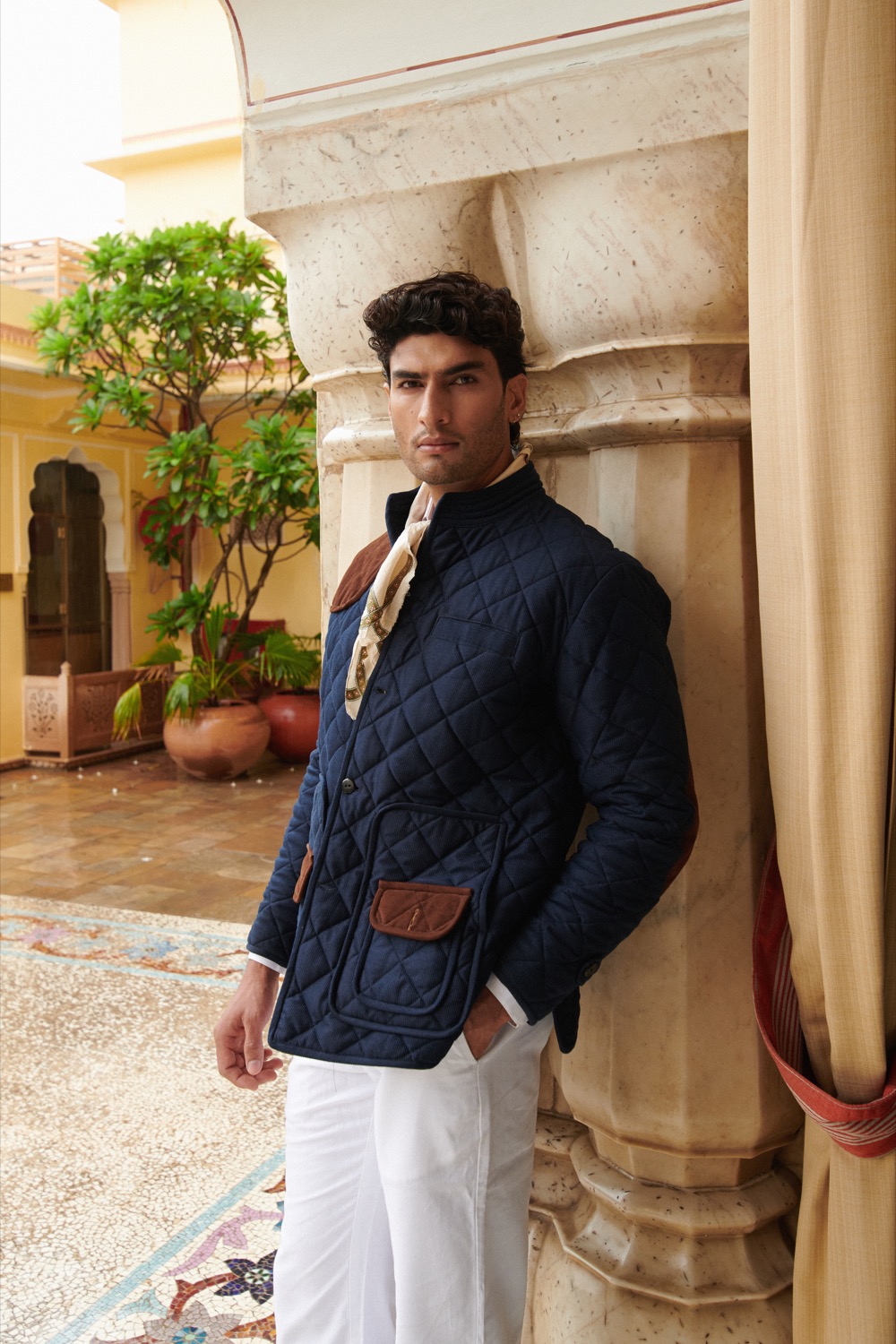
Quilted jackets and Phulgars had been made and worn in Bera for generations before Bera Jackets existed as a brand.
They belonged to a way of life shaped by travel, winter, sport, the field and the royal households of Rajasthan.
CHAPTER II - BEFORE BERA JACKETS
These garments were never reconstructed from an archive.
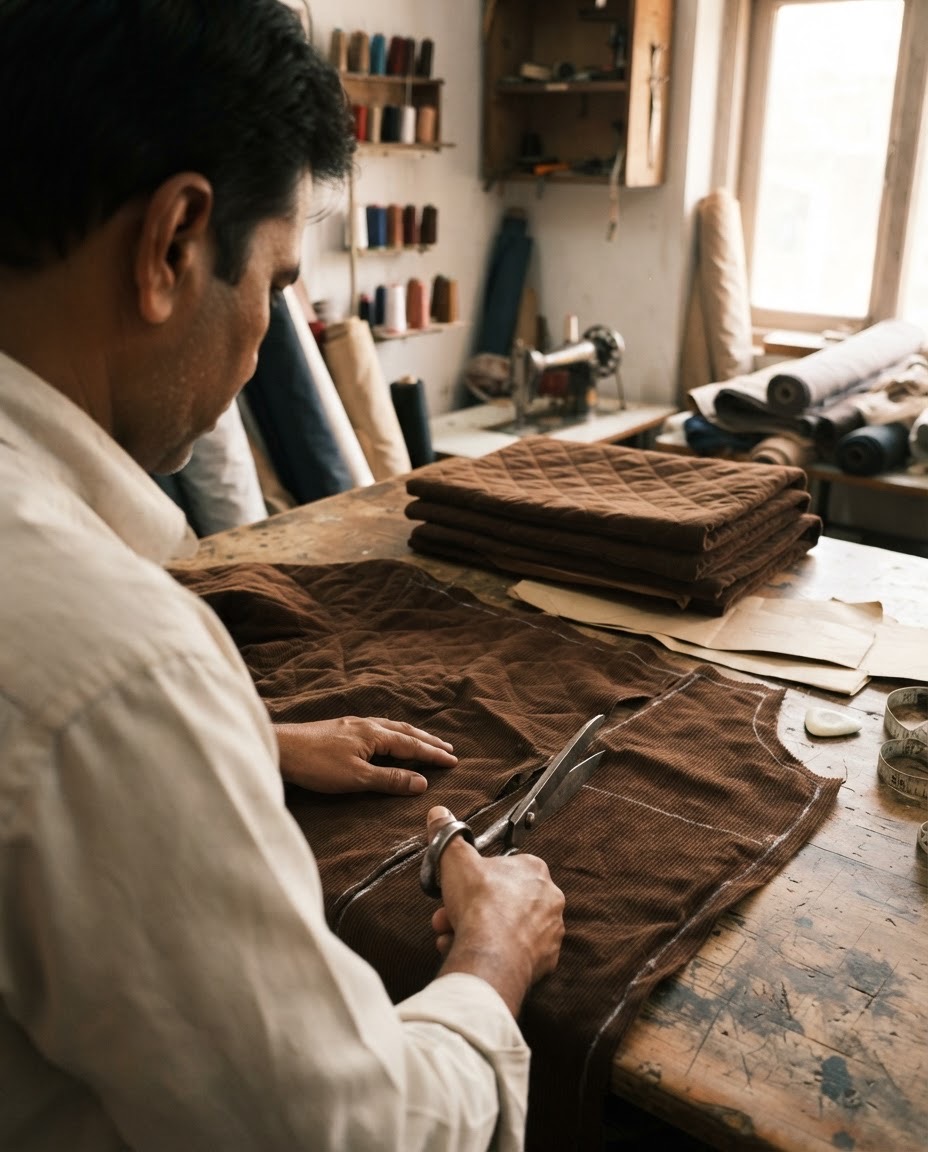
The craft remained alive in Bera, carried by hands that understood quilting, proportion and function long before the world knew the name Bera Jackets.
What changed was not the garment.
It was the recognition of its value.
The Bera Jackets traces its lineage to the Sisodias of Mewar and Maharana Pratap.
His fourth son, Rana Shekha, was granted Bera as a jagir and established the line from which the Castle Bera descends.
Across generations, Bera became intertwined with another great Rajput world: Marwar.
Through family alliances, the histories of Mewar and Marwar came together within Bera - bringing with them traditions of horsemanship, military service, polo, dress and courtly life.
A STYLE BORN FROM A WAY OF LIFE
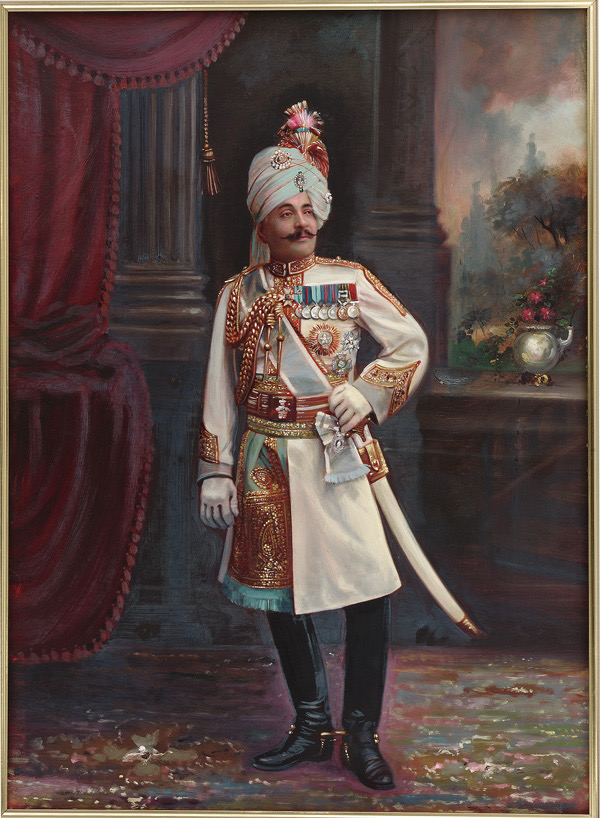
Maharaja Sir Pratap Singh belonged to a generation in which dress was inseparable from the life it served.
Horseman, soldier, statesman and one of the defining figures of Jodhpur style, he is remembered within the Bera family tradition for bringing the Bera-made quilted jacket into royal prominence.
Worn for the field, travel and the colder months, the garment moved naturally into the wardrobes of Rajasthan's royal world.
AFTER THE FIELD
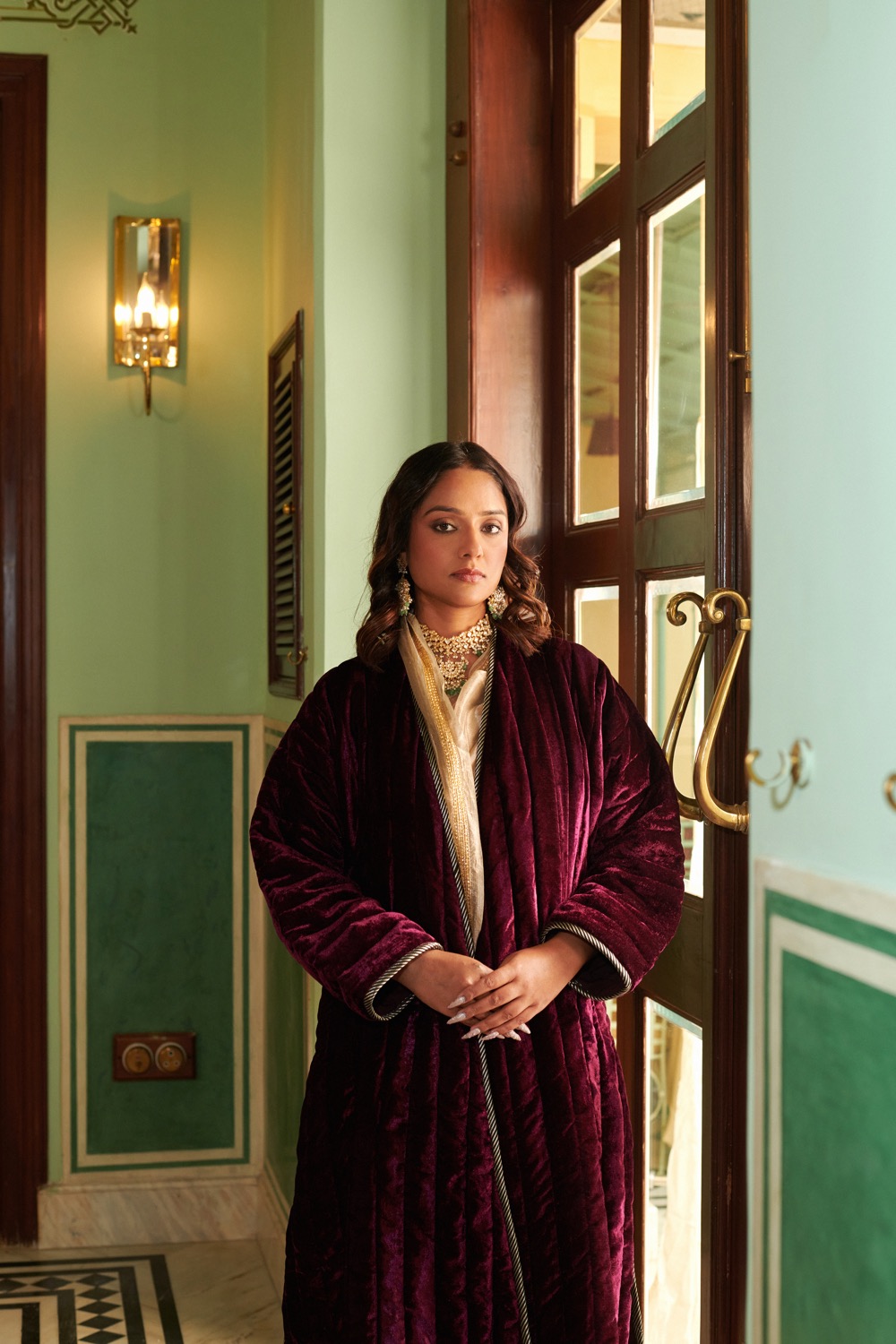
Alongside the quilted jacket lived the Phulgar.
Long, open and made for warmth, it belonged to evenings, winter journeys, ceremonial life and the world of Rajasthan's royal households.
More formal in presence, but born from the same principle:
beauty with purpose.
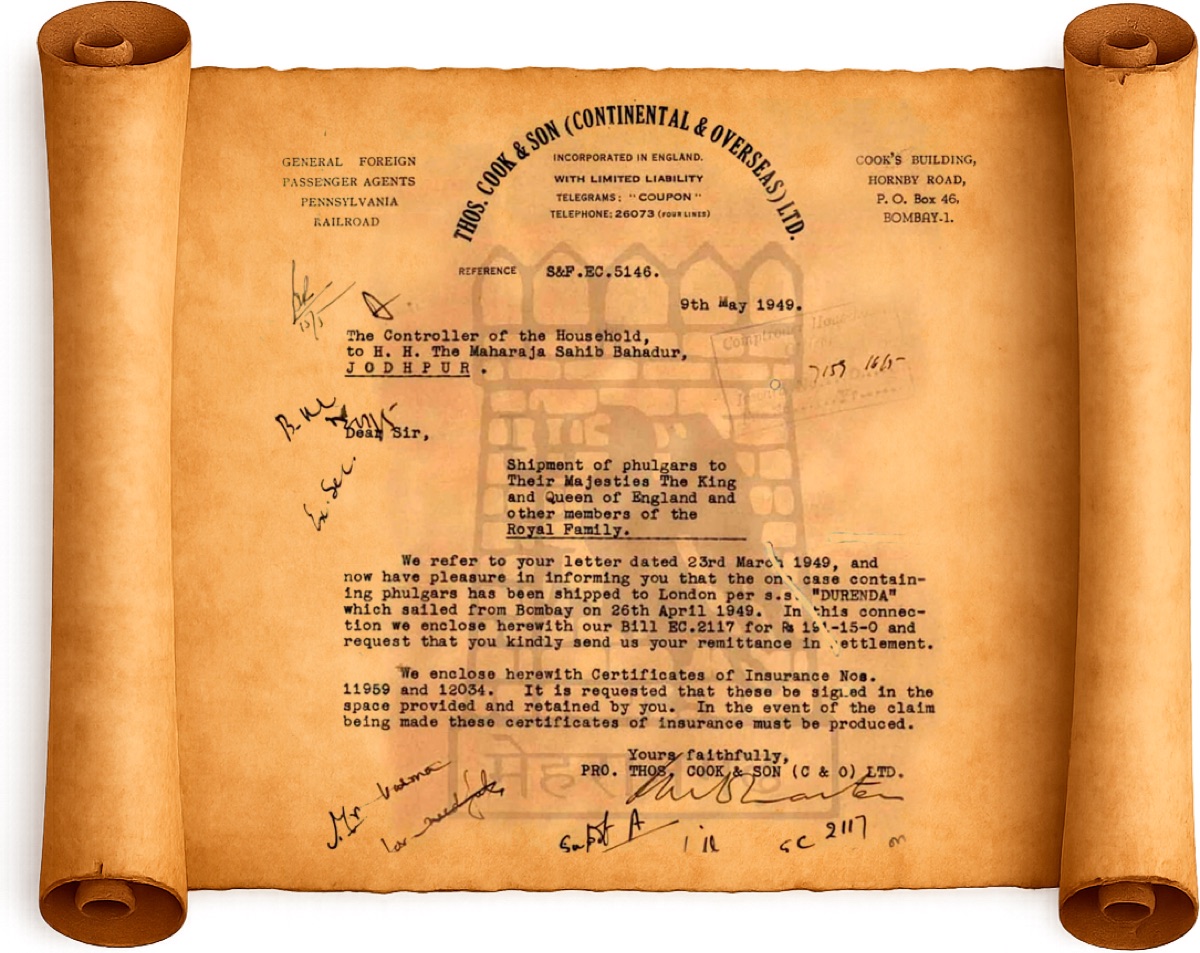
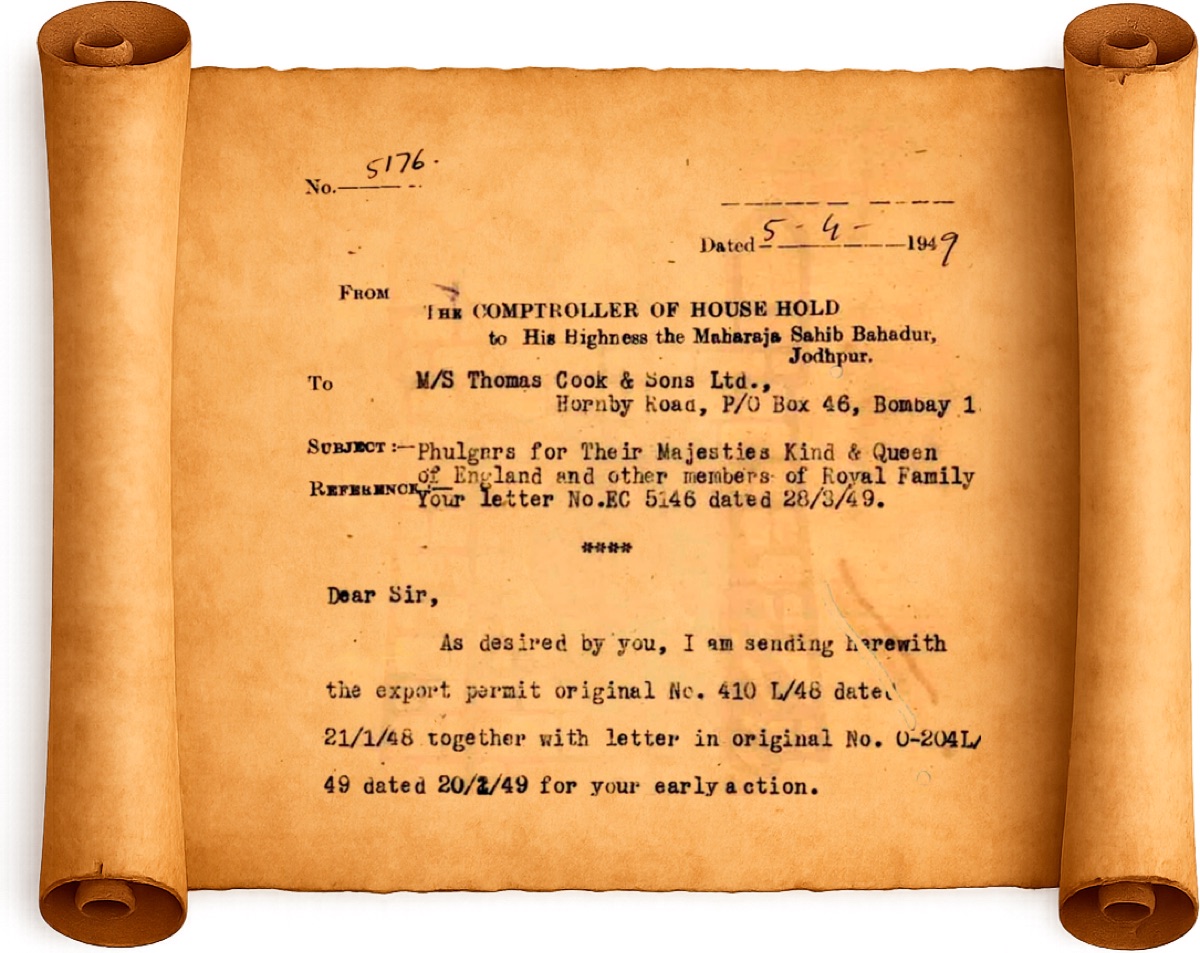
Archival correspondence preserved by the family records Phulgars travelling from Bombay to London for members of the British Royal Family.
Long before Bera Jackets existed as a modern house, the garment had already crossed continents.
THE POLO YEARS
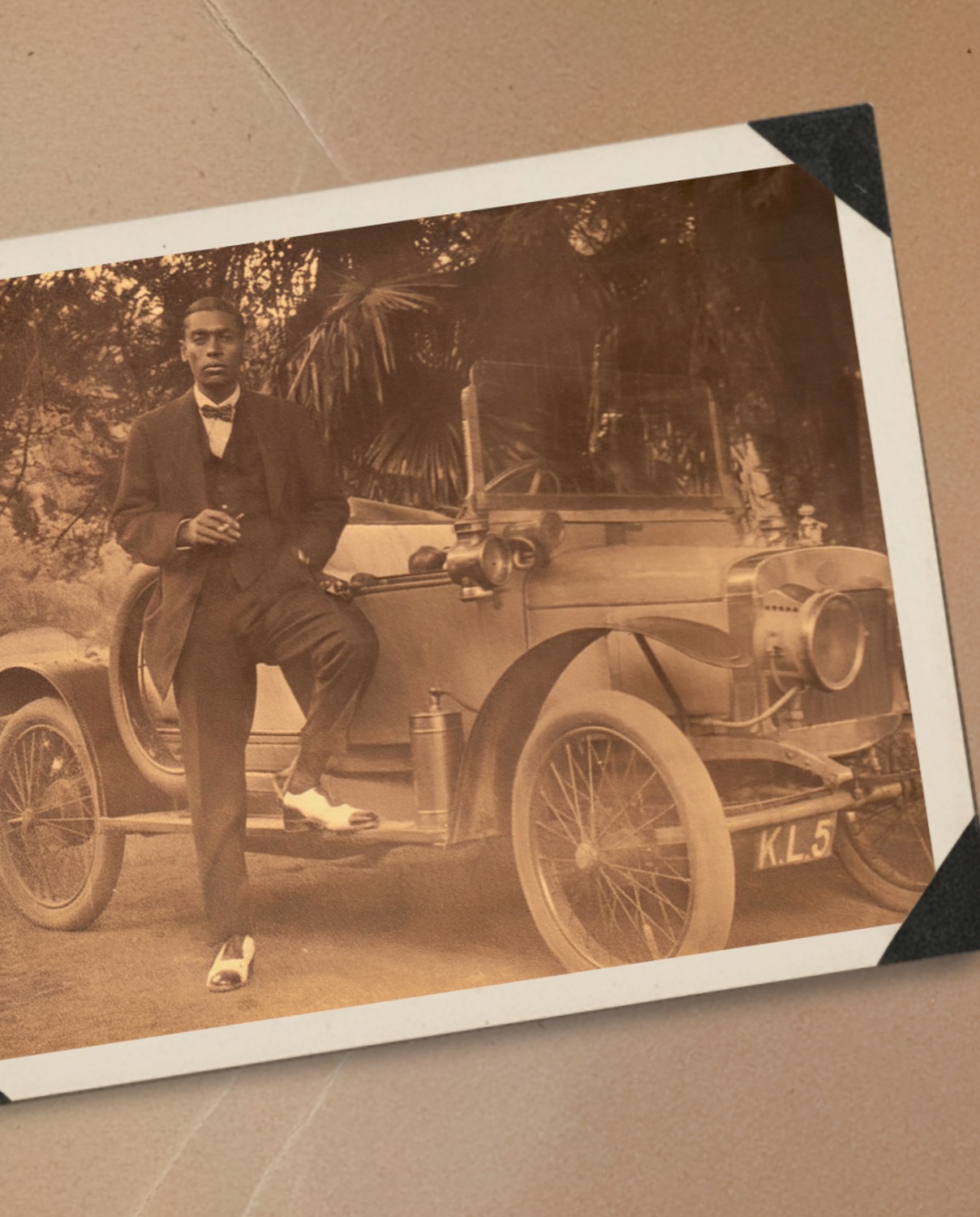
In 1924, Thakur Prithi Singh Bera rode with the celebrated Jodhpur polo side during one of the great periods of the sport.
Jodhpur's players carried a distinctly Rajput language of horsemanship, discipline and dress from India to the international polo field.
For Bera, polo was not borrowed imagery.
It was lived history.
CHAPTER III - THE NAME BERA JACKETS
A NEW GENERATION
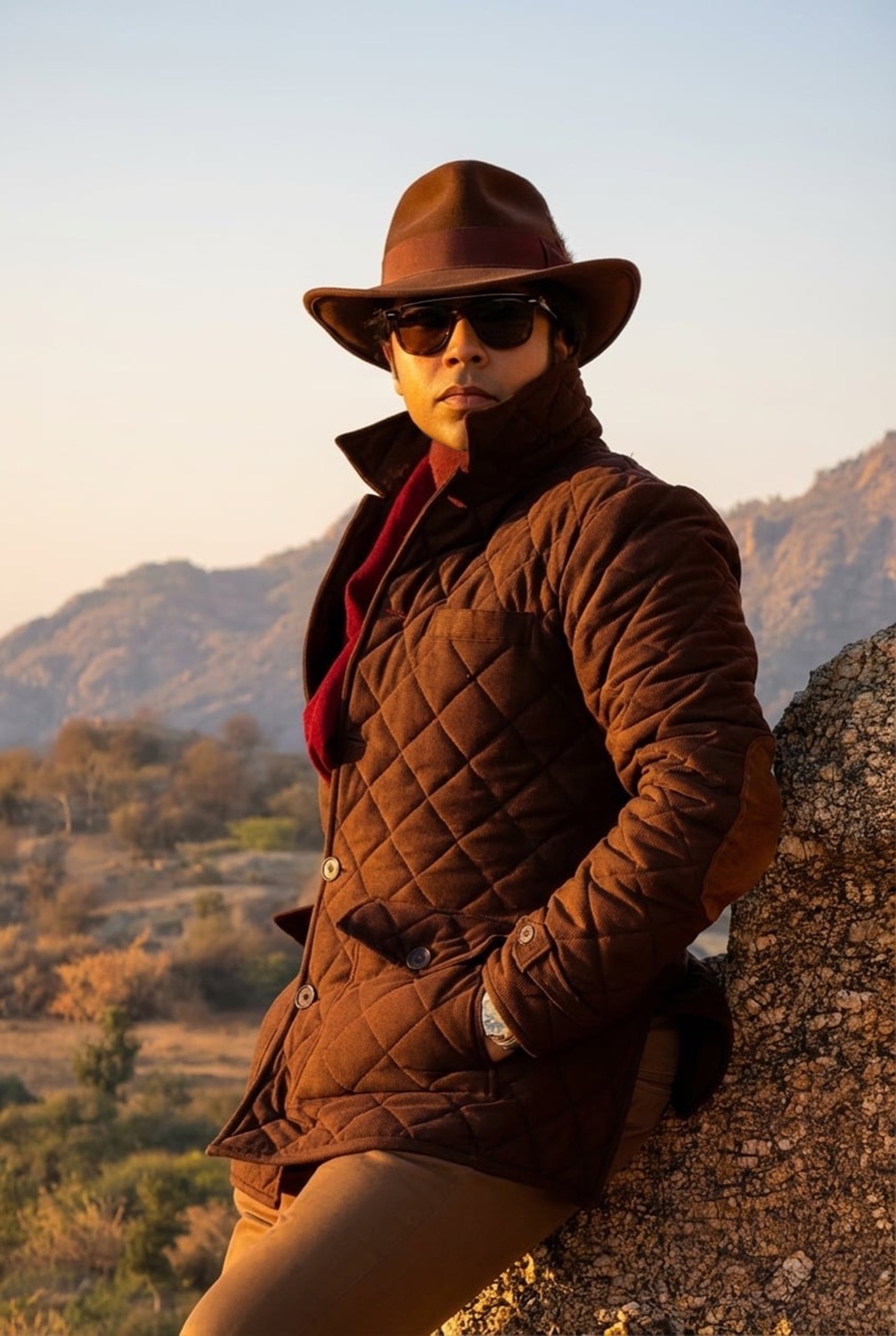
Kunwar Yaduveer Singh Bera - known globally as The Leopard Prince for his wildlife conservation work - grew up with these garments as part of everyday family life. Guests at Castle Bera began asking Yaduveer about the jacket he wore. The simplest answer became the name: “IT’S A BERA JACKET.”
Guided by heritage and driven by a vision for the future, Yaduveer brought together artisans whose families once sewed for kings. His mission is clear: to reconnect the world with the origins of this craft, to empower local communities, and to create jackets that are not just garments, but works of art rooted in the soul of Bera.
For Bera, luxury begins with the relationship between the wearer, the maker and the object.
Not designed for a season.
Made to be worn, kept and handed on.
CHAPTER IV - THE NEW SIGNATURE
THE OUTSIDE REMAINS BERA.
THE INSIDE NOW CARRIES ITS WORLD.
For the first major evolution of Bera Jackets, the essential character of the garments remains untouched.
Instead, the history becomes part of the object itself.
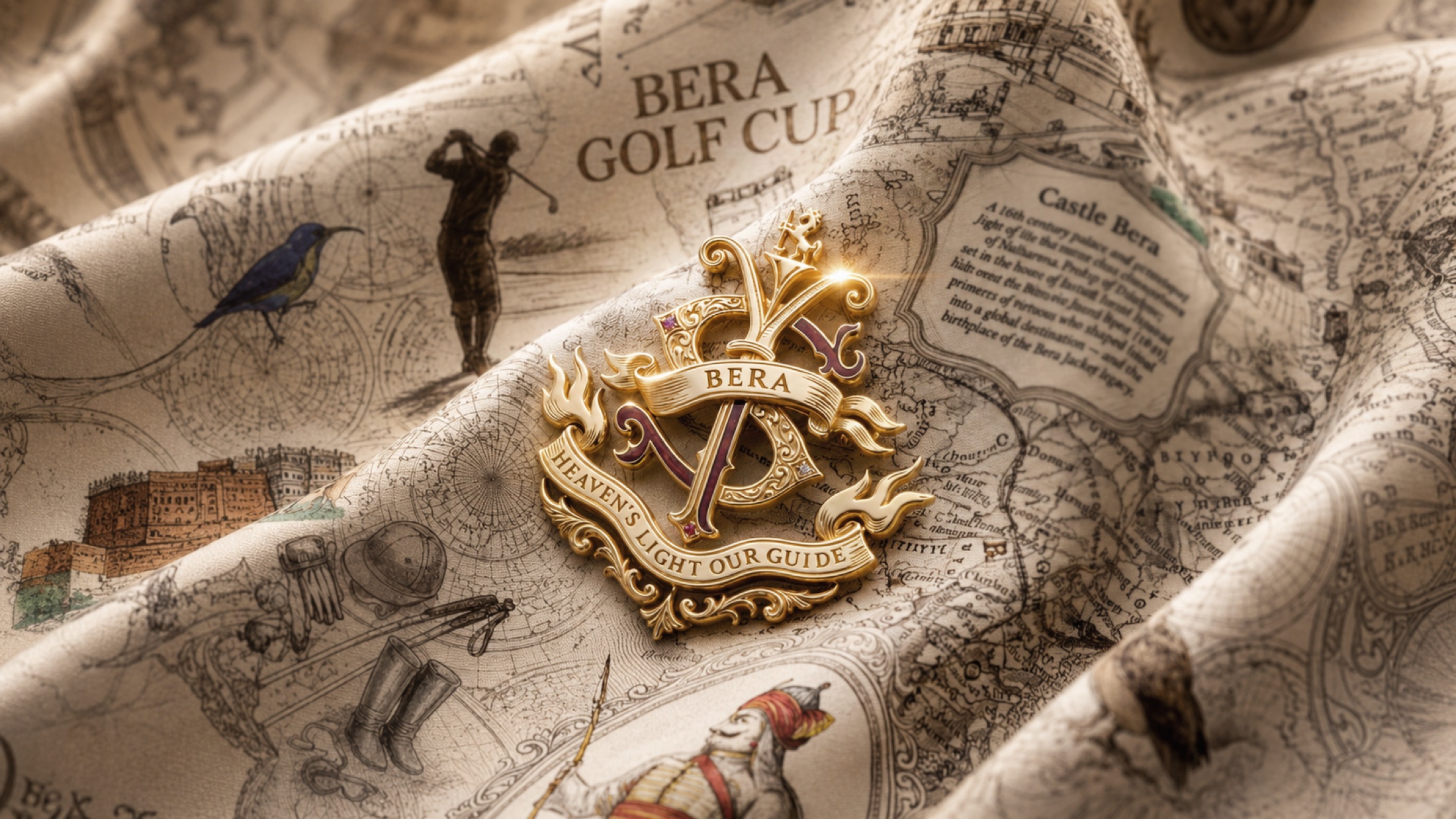
Introducing the Bera signature lining.
The new lining brings together fragments of the world from which Bera Jackets comes:
lineage, royal India, Mewar and Marwar, polo, cavalry, architecture, Jawai, leopards and family history.
Not as decoration.
As provenance.
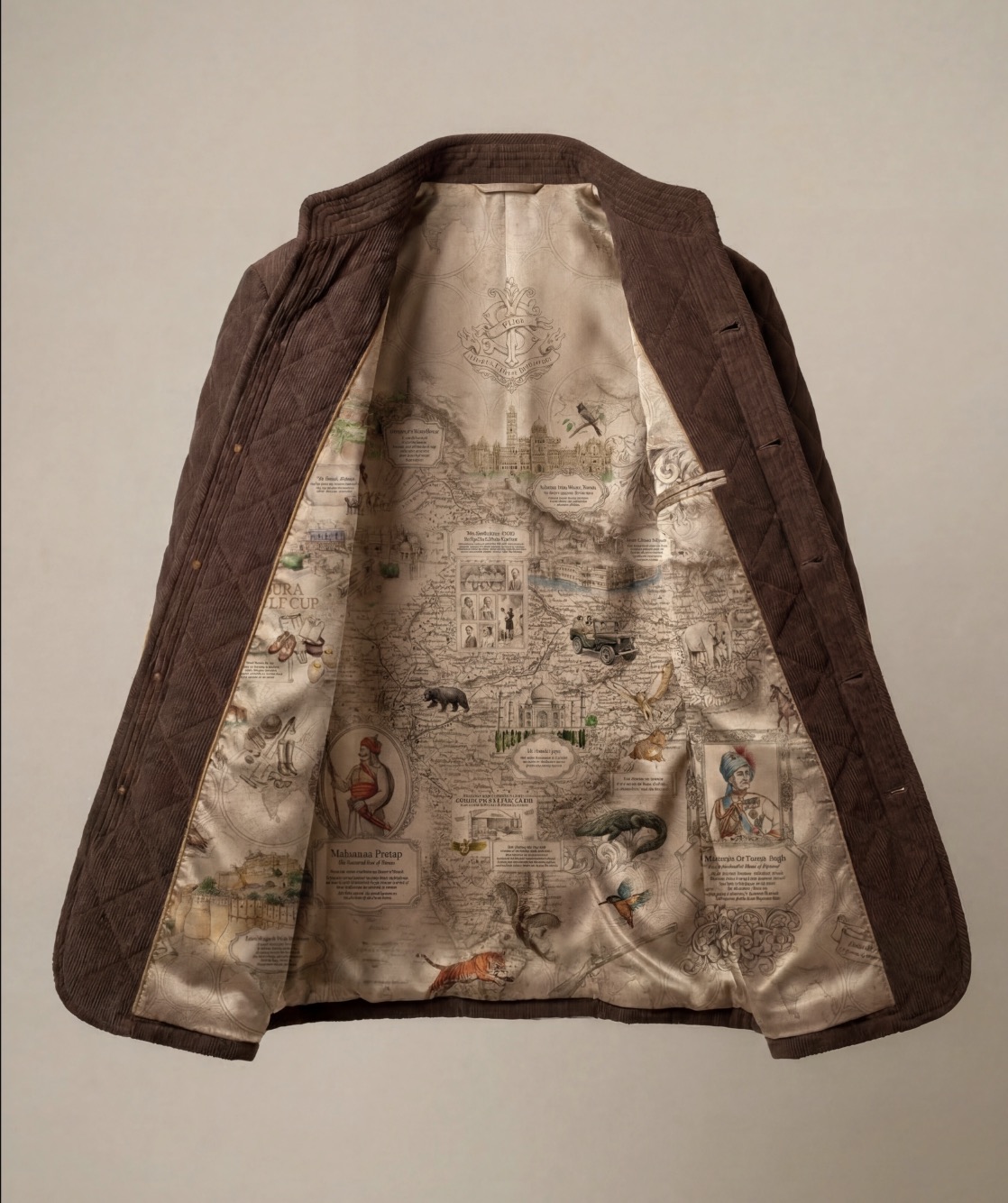
The Bera signature lining is created in two interpretations:
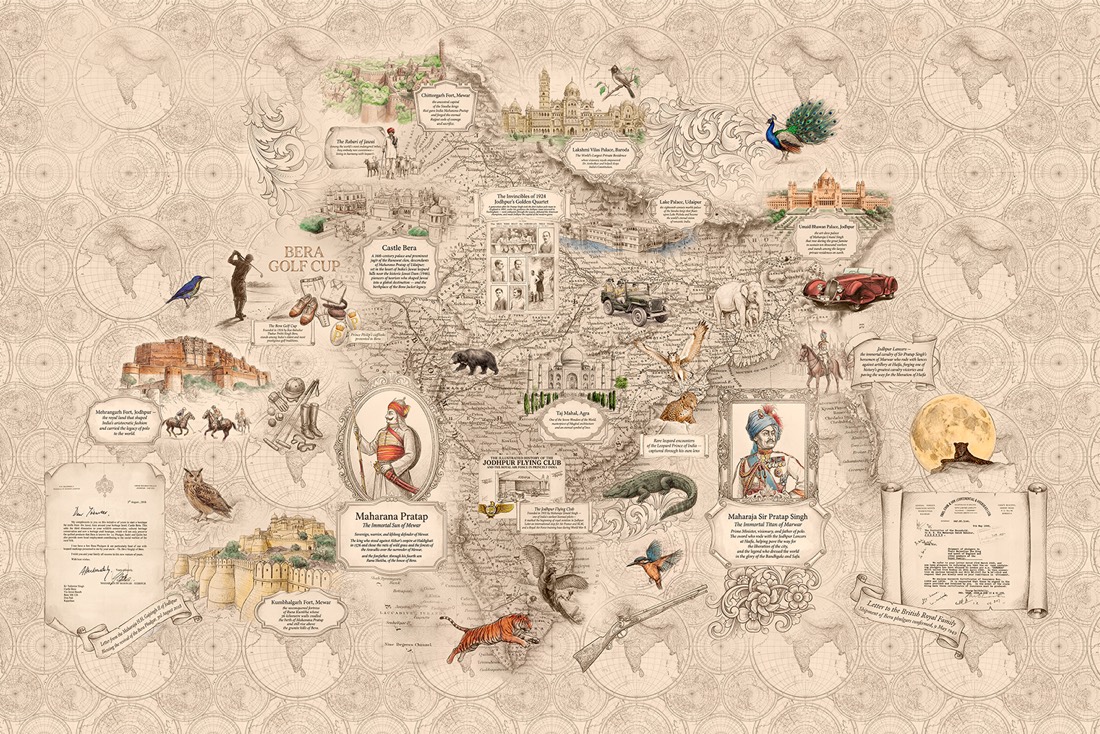
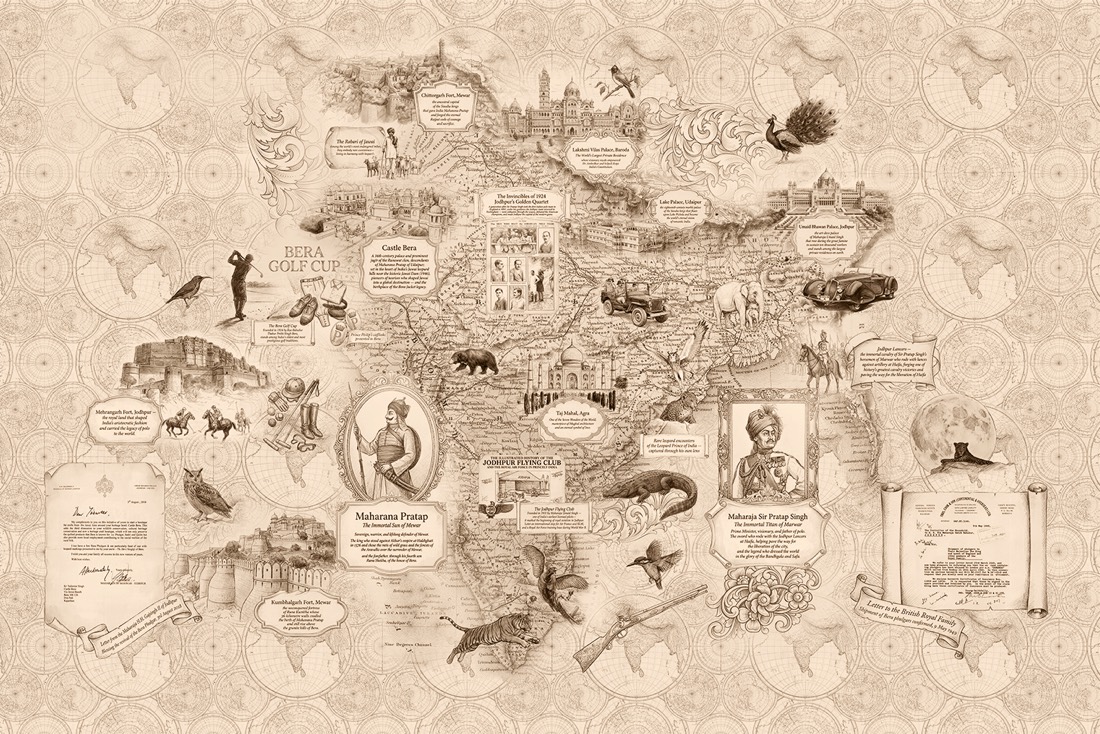
Both carry the same visual archive.
As Bera Jackets became recognised, the form began to be widely imitated.
The new lining gives the original another quiet mark of provenance.
A signature reserved for Bera Jackets and Phulgars.
Outside, the garment.
Inside, the whole of Bera.
CHAPTER V - TWO FORMS
Two forms.
One lineage.
CHAPTER V - THE JACKET
HERITAGE, WORN IN THE WILD.
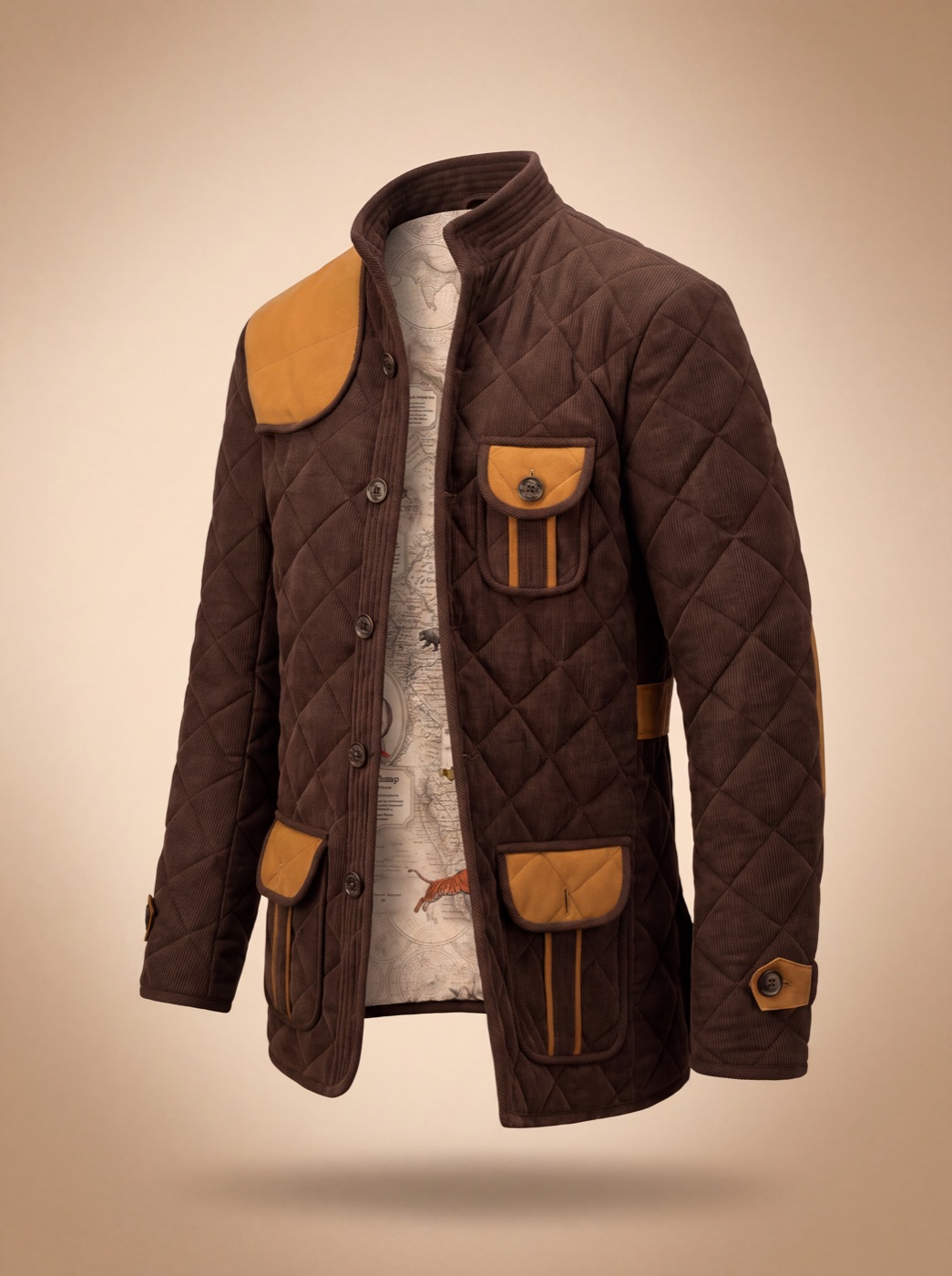
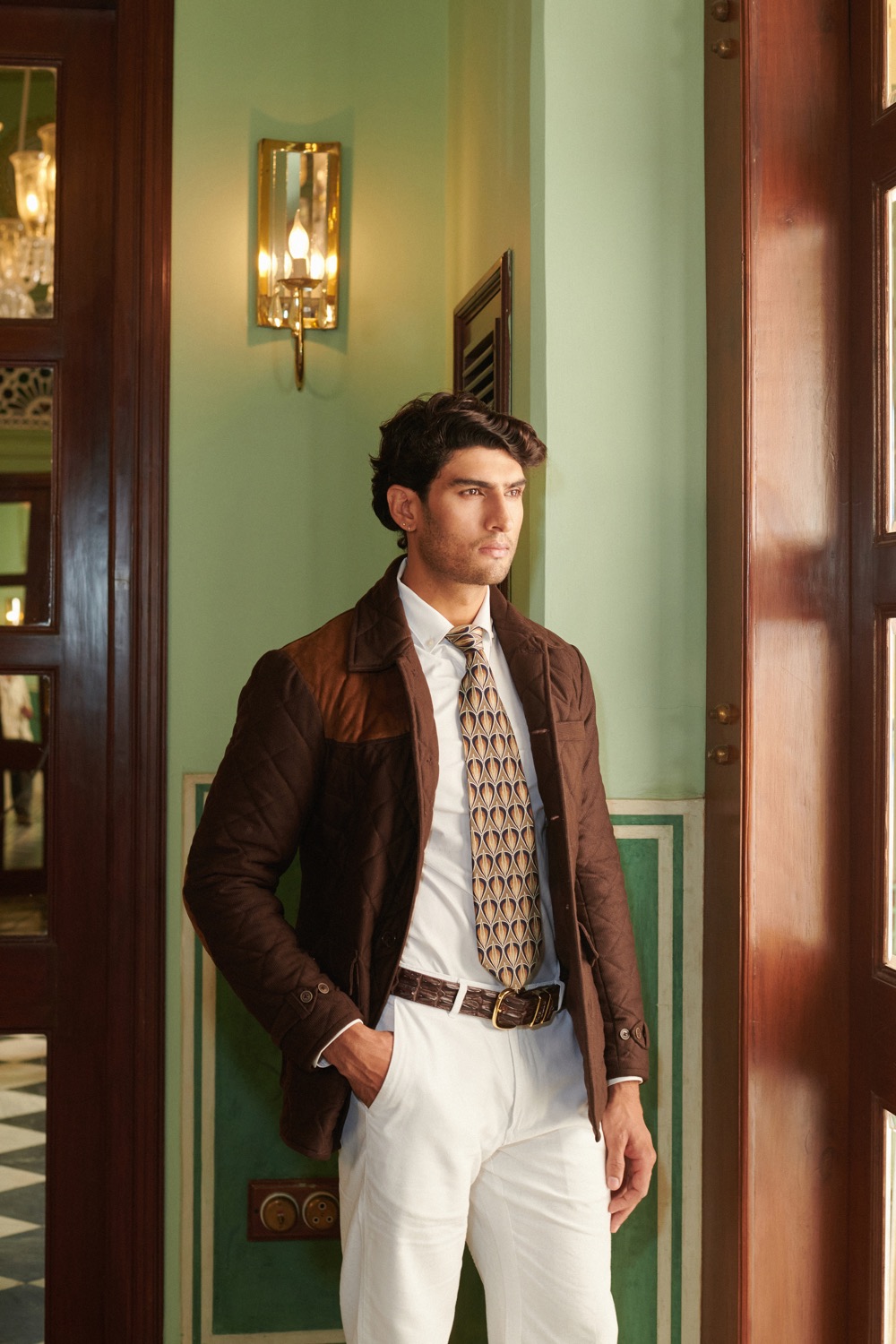
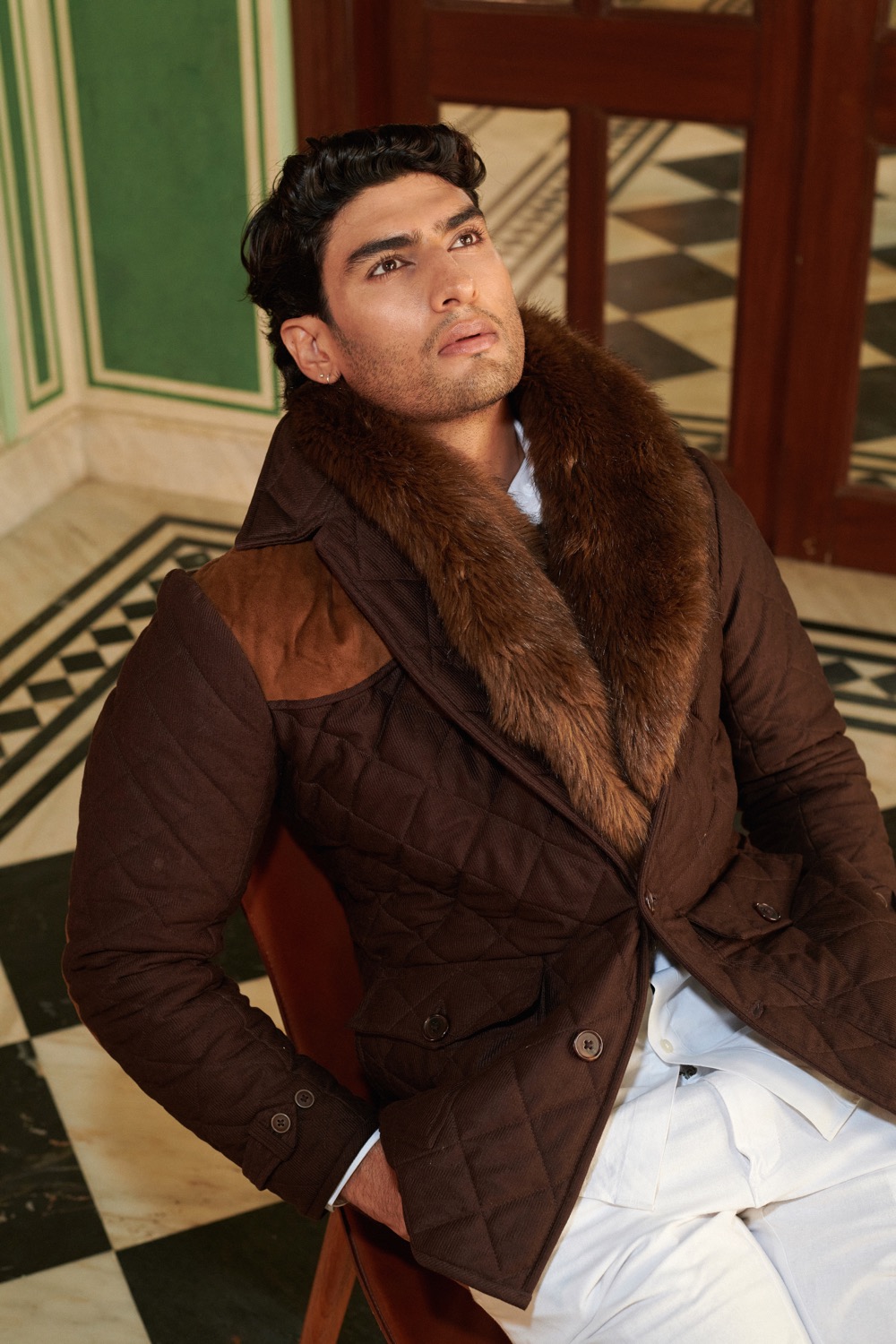
The Bera Jacket is the everyday expression of the house.
Cut in corduroy and individually made to the measurements of its wearer, it carries the practicality from which the original garment was born into a contemporary wardrobe.
Made to travel.
Made to live in.
Made to become yours.
CHAPTER V - THE JACKET / BESPOKE
Every Bera Jacket is made individually.
The client may choose:
It is a jacket that belongs naturally to the person who commissioned it.
CHAPTER V - THE PHULGAR
HERITAGE, AFTER DARK.
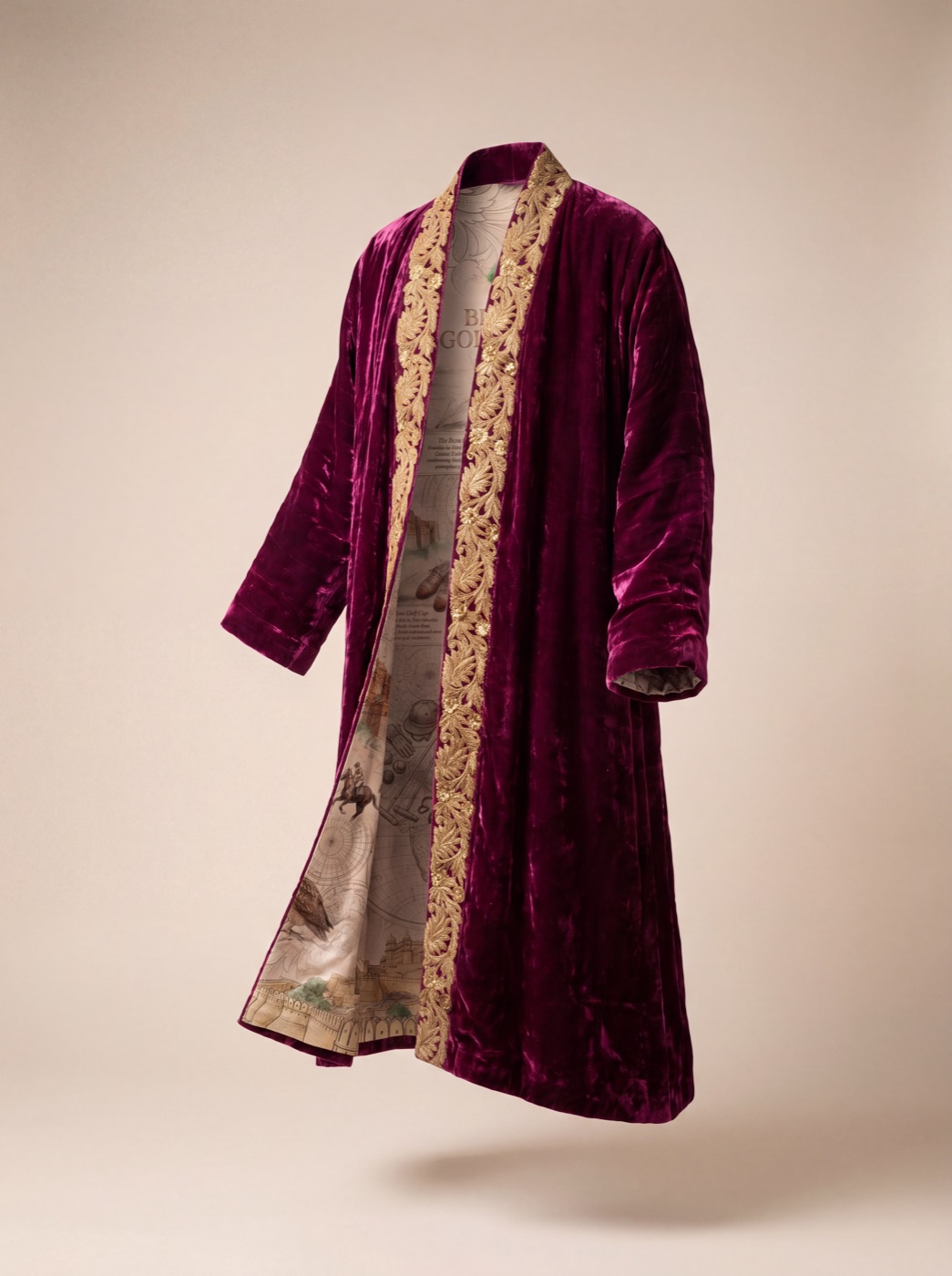
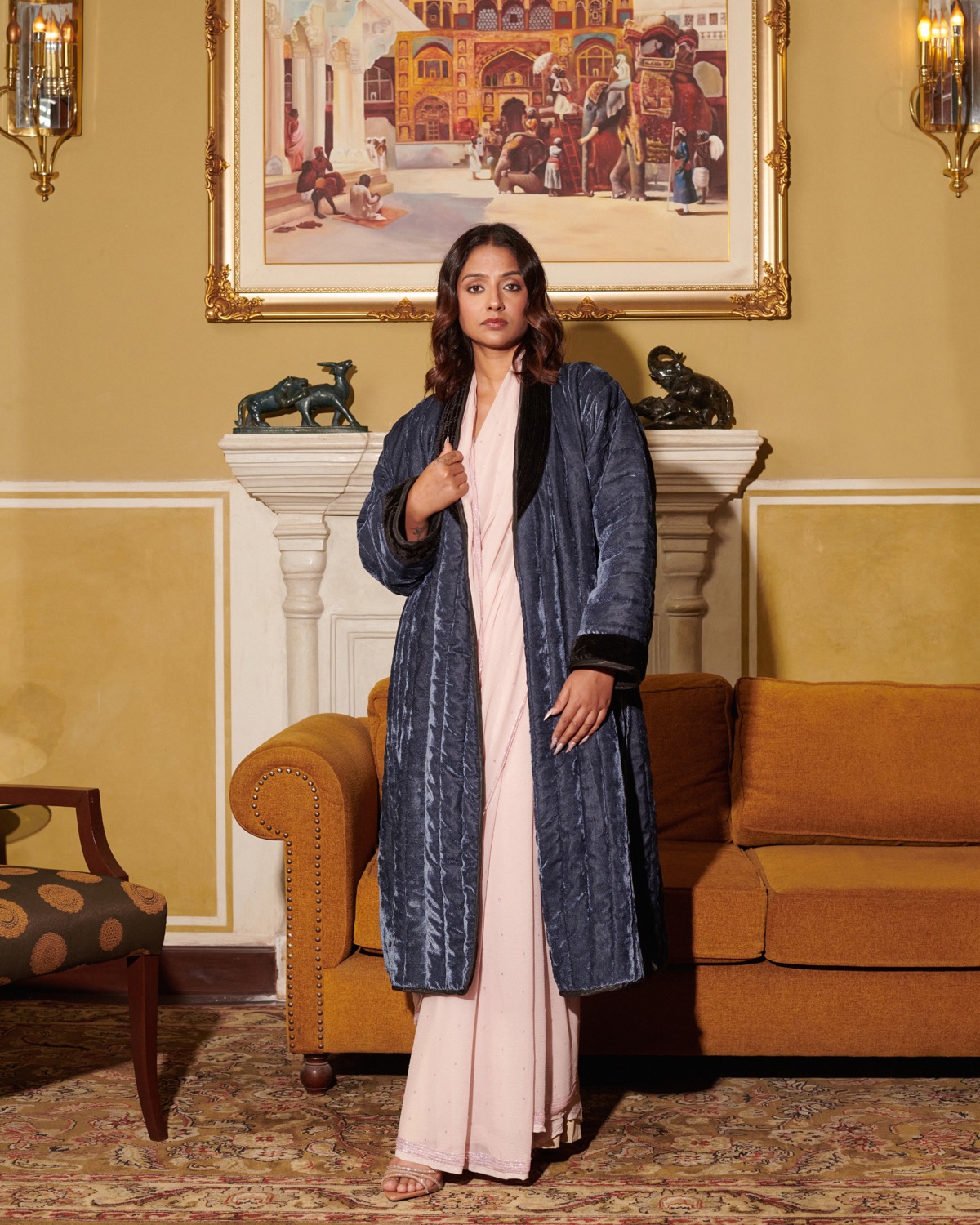
Long, open and cut in velvet, the Bera Phulgar carries the more ceremonial side of the tradition.
Its proportions give it presence.
Its construction keeps it personal.
Its history gives it meaning.
For winter evenings, celebrations and occasions that ask for something beyond conventional formalwear.
CHAPTER V - THE PHULGAR / BESPOKE
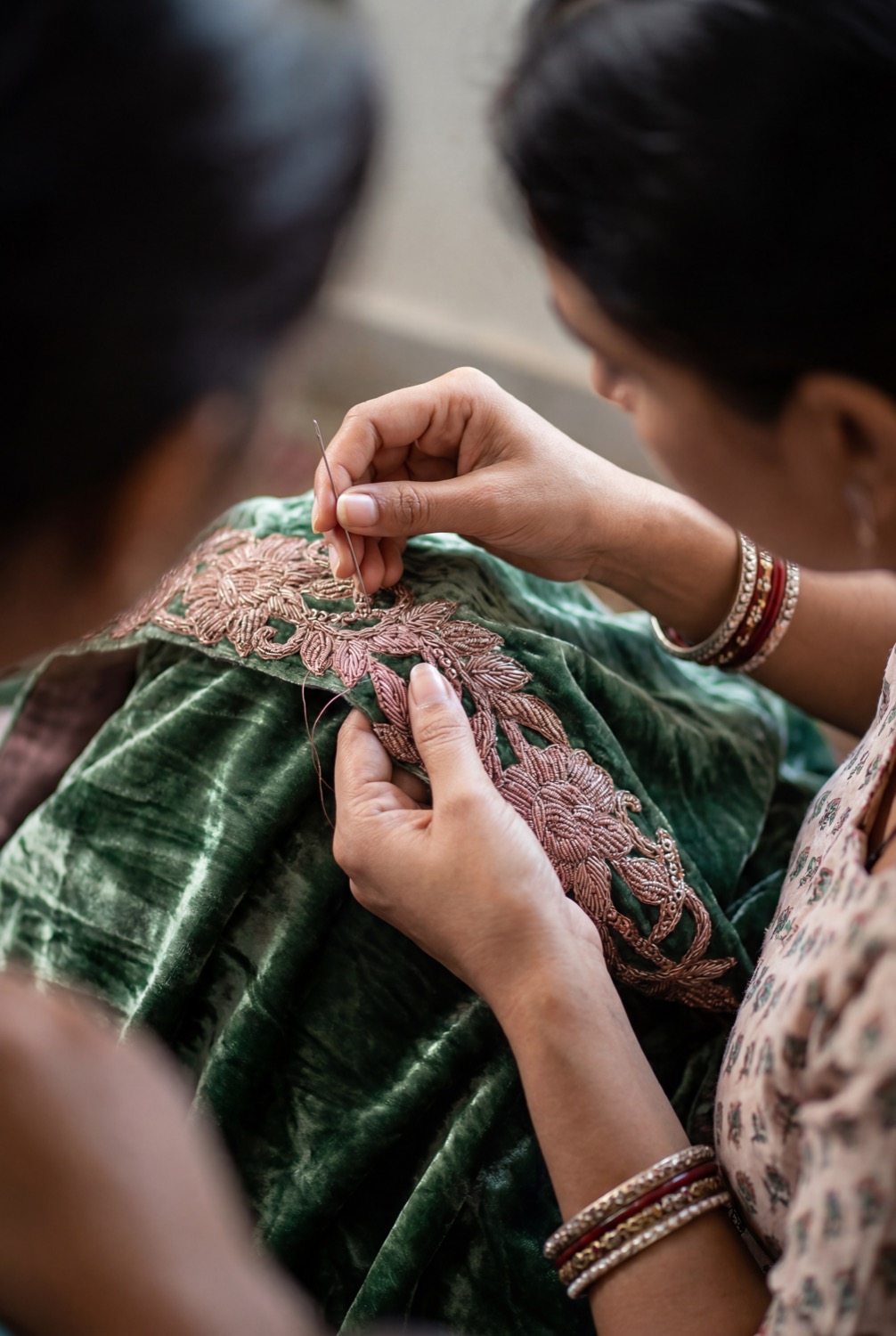
Each Bera Phulgar is commissioned individually.
The client may select:
Each decision changes the character of the piece while preserving the Phulgar's unmistakable form.
CHAPTER VI - MADE BY HAND
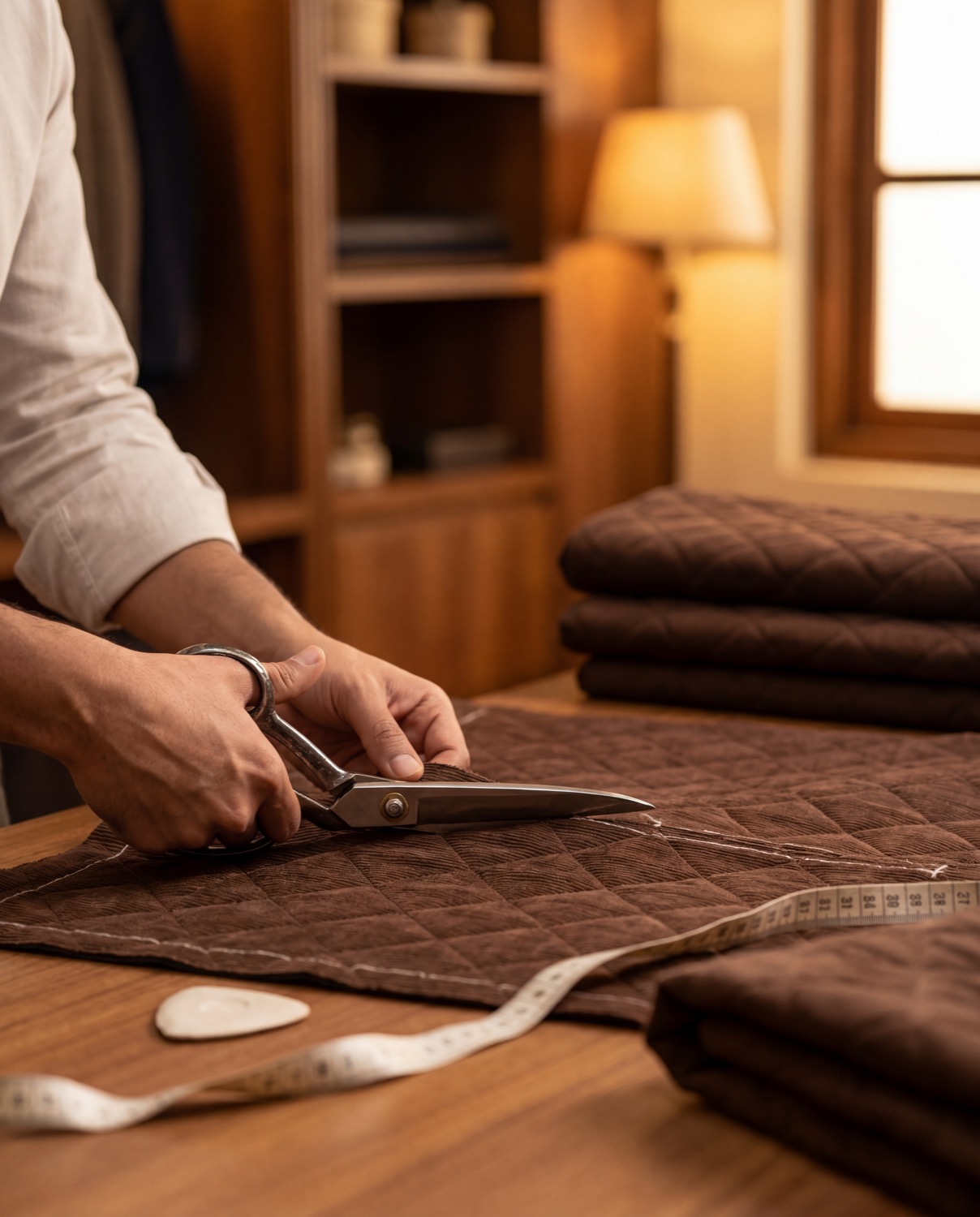
Every piece passes through human hands.
It is measured, cut, quilted, stitched and finished for an individual wearer.
The small differences found in handmade work are not imperfections to be removed.
They are evidence that the object was made, not manufactured.
CHAPTER VII - THE HOUSE BEHIND THE JACKET
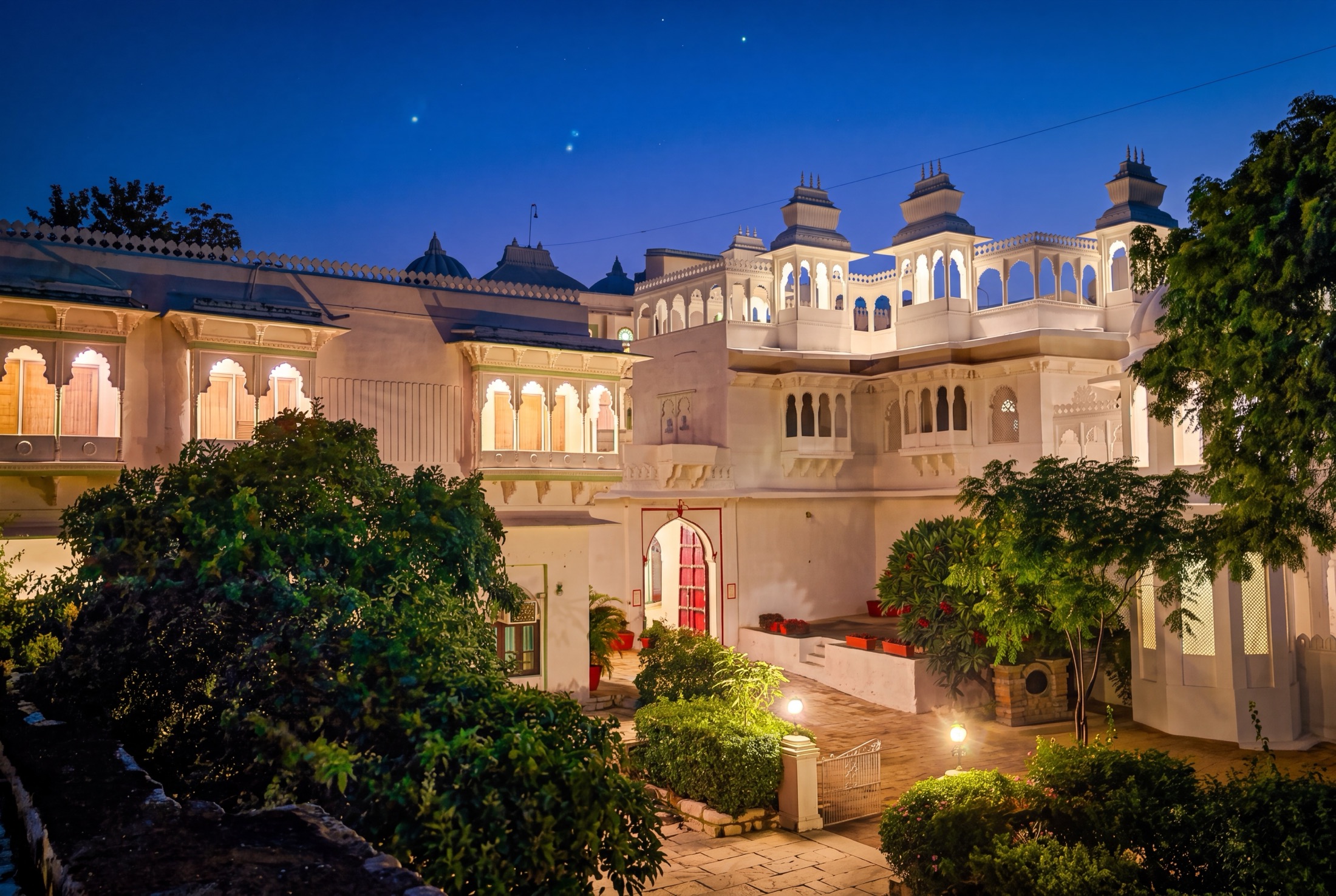
THE HOUSE BEHIND THE NAME.
Bera Jackets comes from a real place.
Castle Bera is the ancestral home of the family - a living Rajput house in the leopard hills of Jawai, still inhabited and personally hosted by the same family.
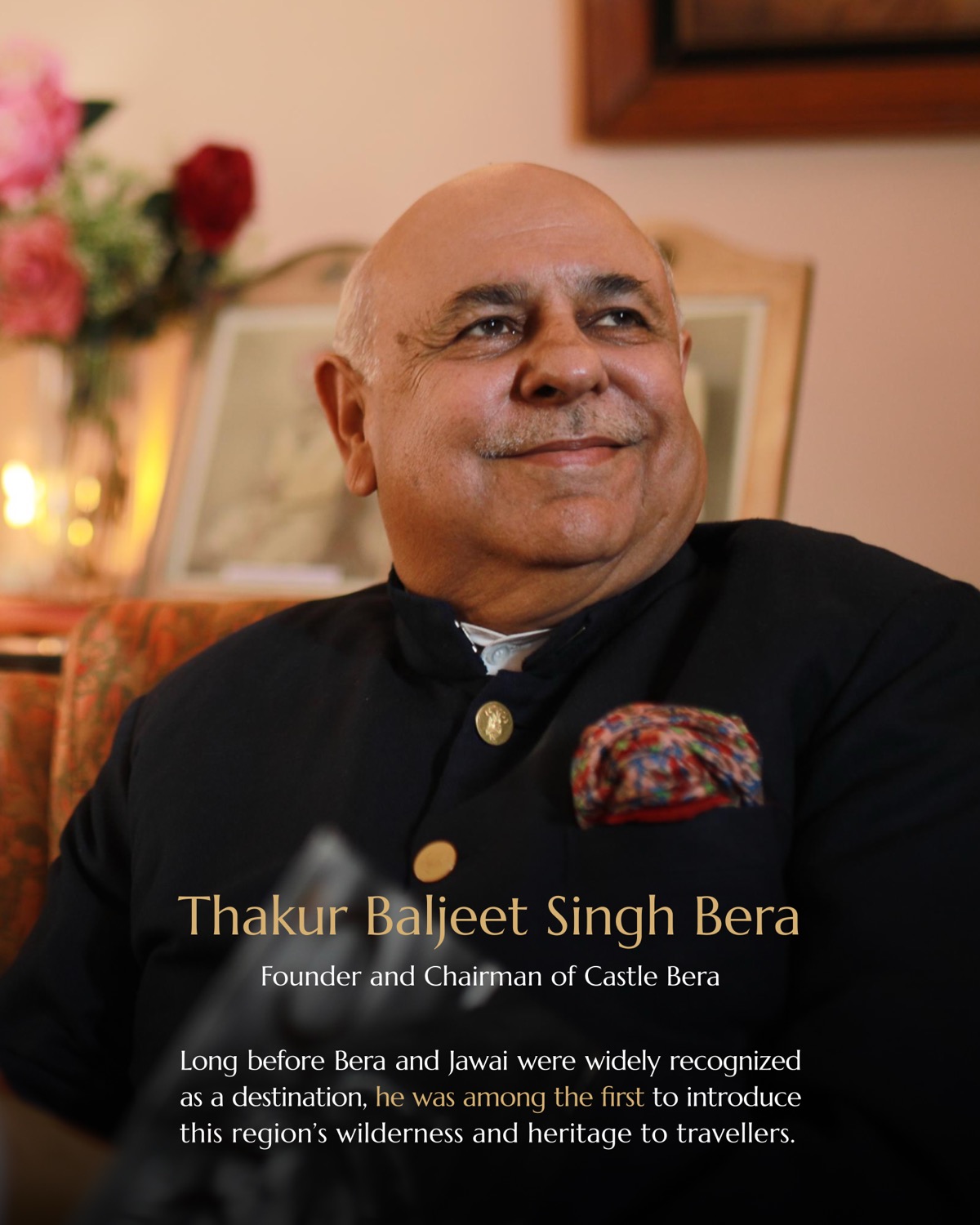
Long before Jawai became an internationally recognised wildlife destination, Thakur Baljeet Singh Bera was among the pioneers who began introducing guests to the leopard landscape surrounding Bera.
Today, the house, the landscape and the garments remain connected by the same idea: to inherit something is also to carry it forward.